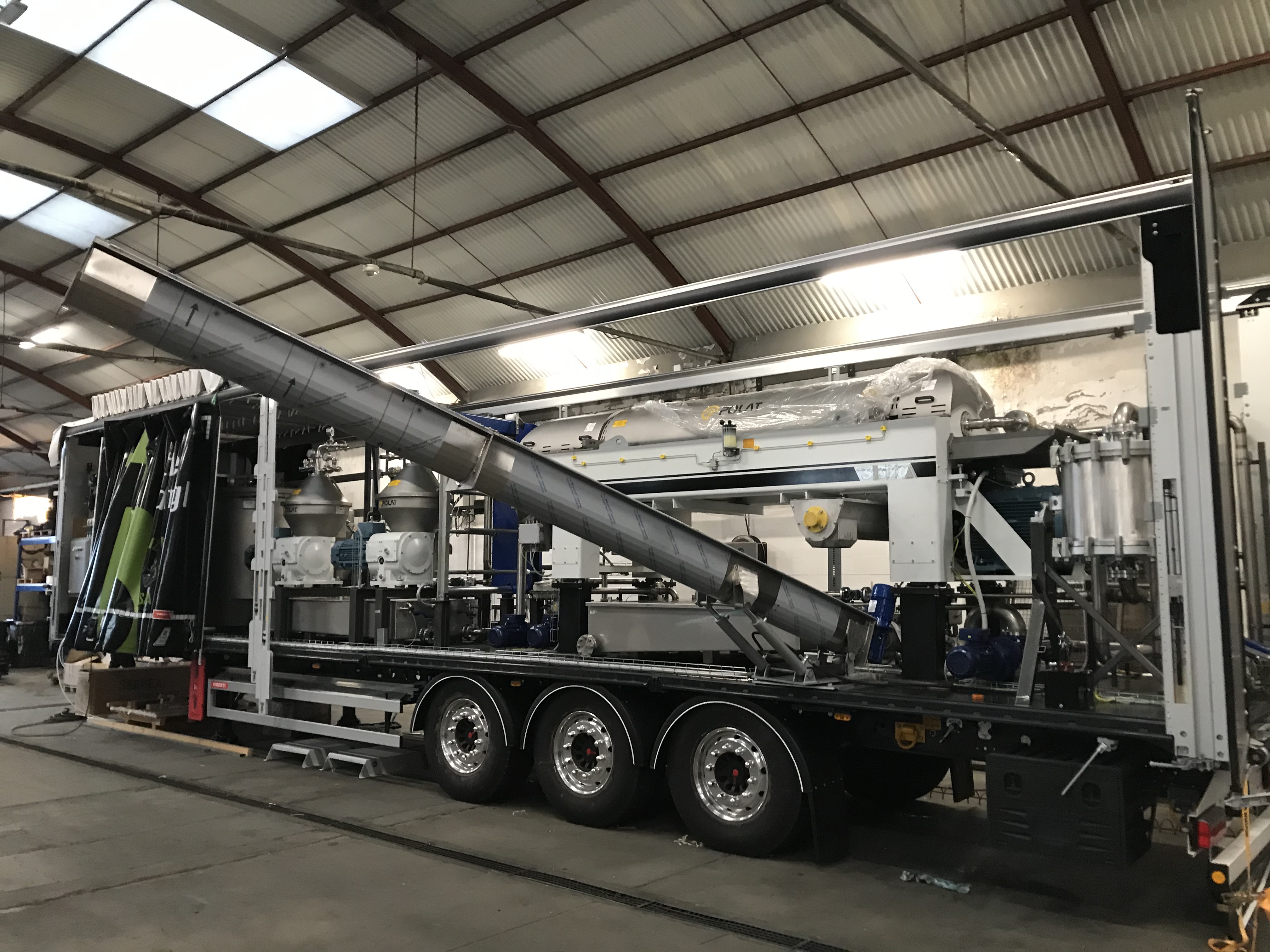
Engineered for the on-site processing of tank bottom sludge (slop oil) across oil fields, storage facilities, and refineries—converting waste into value-added crude oil—this project represents a high-level engineering solution delivering maximum mobility and logistical independence.
To eliminate logistical constraints and jobsite setup times, the system is built and directly integrated onto a heavy-duty semi-trailer chassis.
Technical Capabilities and Advanced Engineering Architecture
Engineered to meet the demands of rapid deployment and high-precision separation in hazardous environments, the unit is equipped with specialized technologies:
Trailer-Mounted Road-Integrated Design: Unlike containerized systems, its fully compliant structure for highway transport enables immediate dispatch between different sites and refineries. Designed with a 'mobile refinery' concept, it rapidly deploys upon arrival at the jobsite, delivering maximum operational agility.
ATEX Zone 2 (Ex-Proof) Maximum Safety: To operate safely under hazardous field conditions with explosive and flammable gas risks, all mechanical, electrical, and automation components in the system are ATEX Zone 2 / Ex-proof certified.
Decanter + Separator Hybrid Separation Line: The combination of a high-speed decanter centrifuge and a disc stack separator within the unit separates heavy solid particles, water, and the valuable oil phase with three-dimensional precision.
Key Deliverables and Added Value
Maximum Economic Value and Pure Oil Recovery: High-value pure oil meeting refinery standards is recovered from tank bottom sludge, which otherwise poses severe environmental risks and disposal challenges.
Zero Logistics Costs and Rapid Setup: By processing the waste directly at the source (on-site) without requiring transport to an off-site treatment plant, freight logistics and site preparation expenses are eliminated.
Sustainable Environment and Site Management: Ensuring full compliance with the strictest international environmental regulations, hazardous wastes are minimized on-site and restored back to the circular economy.