POLAT TECHNIC
Contact Our Technical Service Team Now!
Keep your operations running smoothly with 24/7 technical support and maintenance solutions.


The processing of animal by-products through modern rendering processes is a key circular economy solution. Powered by Polat Makina’s high-performance decanter and separator technologies, these processes help minimize waste, maximize energy efficiency, and unlock the full industrial value of animal by-products.

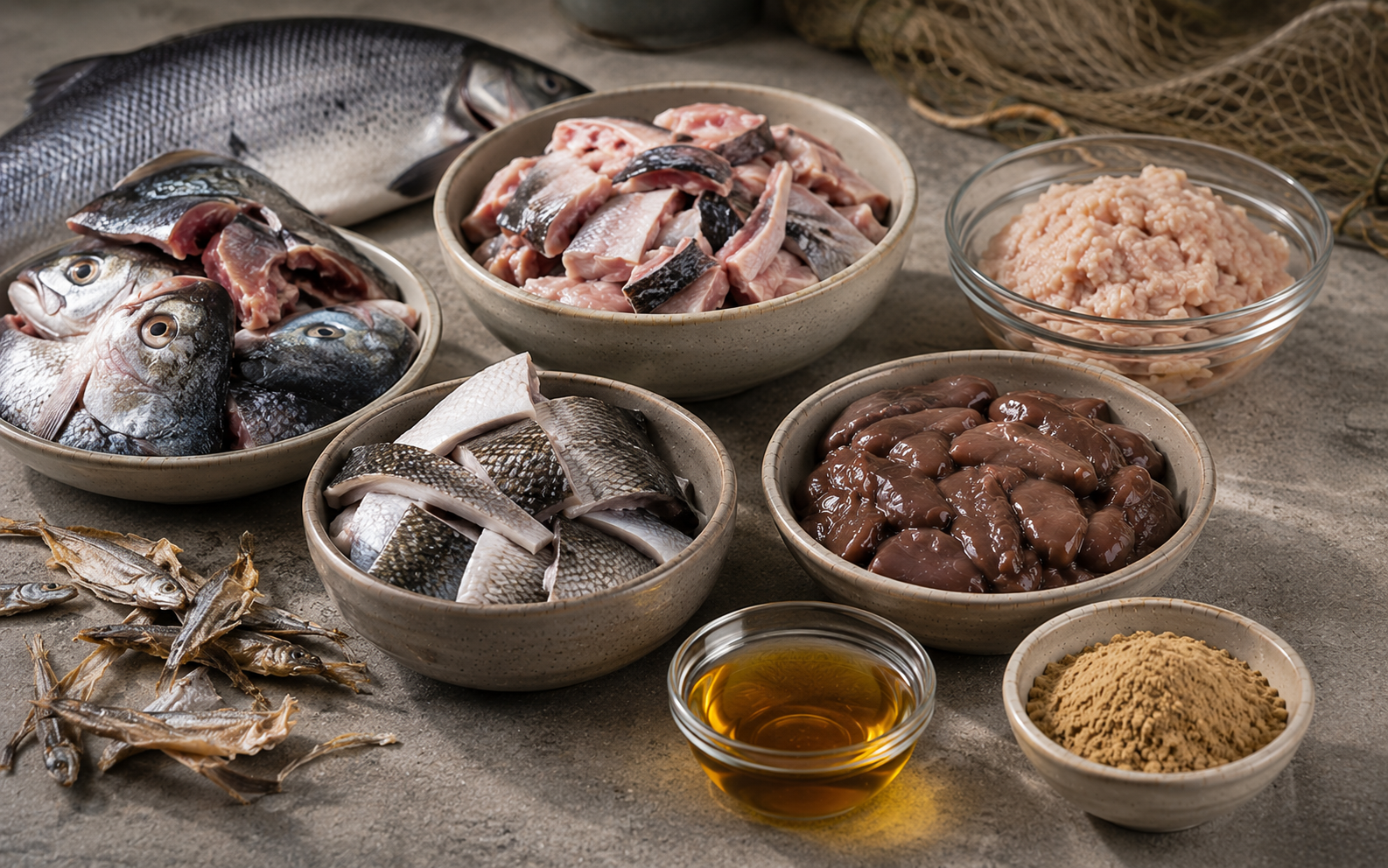
Hides and skins, bones, blood, internal fats, and meat trimmings generated after slaughter in cattle and sheep processing, which are not directly used as carcass meat, represent some of the most strategic raw materials in the modern bioeconomy. Through controlled physical and thermal treatments in rendering plants, these materials are recovered for a wide range of industrial applications, from pharmaceuticals and cosmetics to pet food and biodiesel production.
The overall conversion process begins with the homogenization of raw materials through crushing and size reduction. This is followed by the cooking stage, a critical step in which the raw material is exposed to high temperatures to break down cellular structures and release fat. The heat treatment also helps eliminate pathogens, supporting hygienic safety.
Two main methods are used in rendering plants:
Dry Rendering: This method operates without the addition of water, making use of the raw material’s natural moisture and fat content. It is particularly advantageous for high-fat raw materials due to its energy efficiency and low water consumption. Following thermal cooking, the process continues with pressing or centrifugation.
Wet Rendering: This method uses steam injection to accelerate the release of fat from cellular structures, particularly when processing materials with high moisture content. It is preferred when the objective is to obtain clearer fat with lower free fatty acid (FFA) levels.

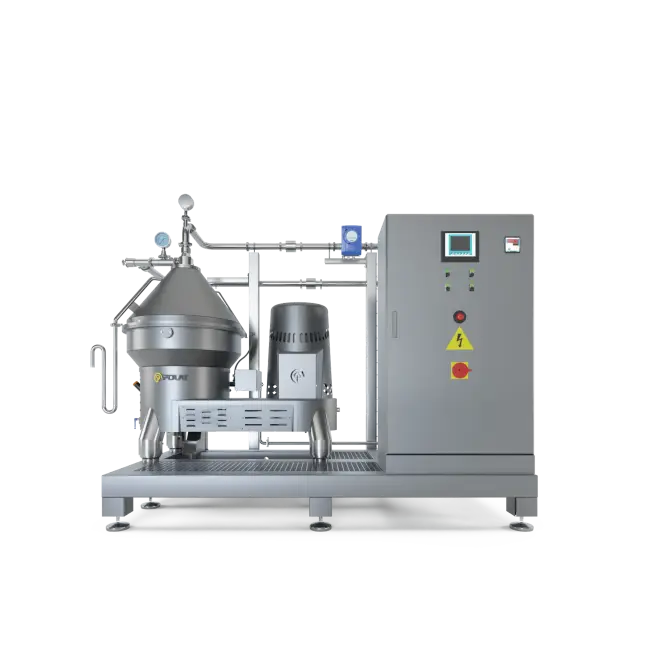
The success of the rendering process depends largely on the precision with which the complex mixture obtained after cooking, consisting of protein, fat, and water phases, is separated. At this stage, Polat Makina’s decanter centrifuges apply high G-forces to maximize the dewatering of the solid protein phase. This reduces the moisture content of the protein meal, helping ensure storage stability and an extended shelf life while minimizing energy costs during the drying stage. The liquid phase discharged from the decanter is then directed to separators to remove any remaining solids and water.
The separation stage is the most critical step in bringing fat quality in line with the highest international standards. Polat Makina’s advanced equipment removes fine particles and residual water from the fat, achieving the purity levels required in industries with stringent refining specifications, particularly biodiesel production.
Through its closed-system design, Polat Makina helps minimize the release of unpleasant odours and biological hazards into the surrounding environment, making the zero-waste principle an integral part of industrial operations. With these advanced engineering solutions, businesses can go beyond simply operating a waste management facility and become part of a global technology partnership that optimizes profitability by maximizing recovery from every gram of raw material.