POLAT TECHNIC
Contact Our Technical Service Team Now!
Keep your operations running smoothly with 24/7 technical support and maintenance solutions.

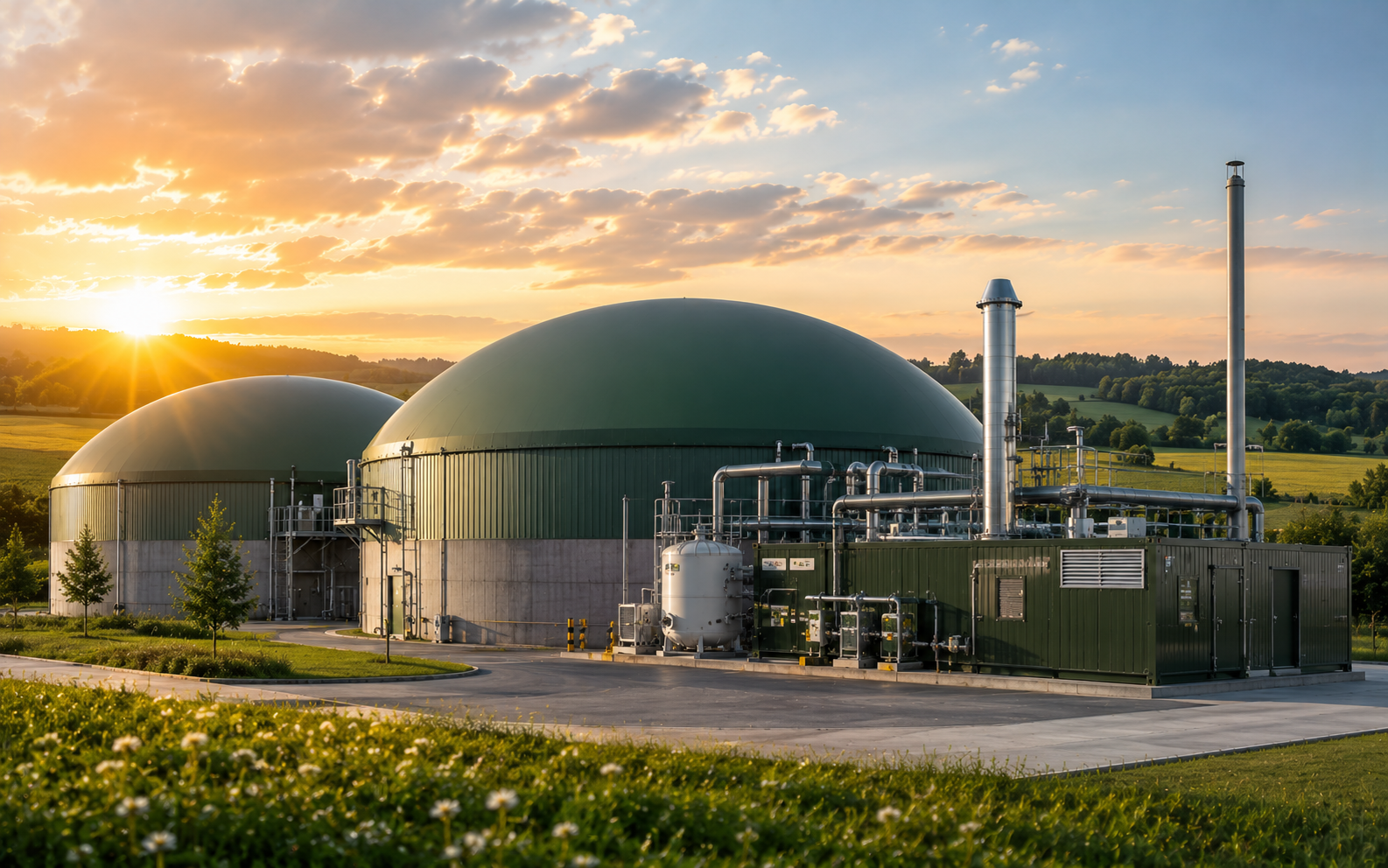
Energy, now a strategic asset, is transforming waste management from a costly obligation into a high-efficiency investment through Polat Makina’s solutions. By providing high-efficiency separation technologies for biogas production from agricultural and industrial waste, Polat Makina helps reduce energy costs and waste volumes while contributing to sustainability.

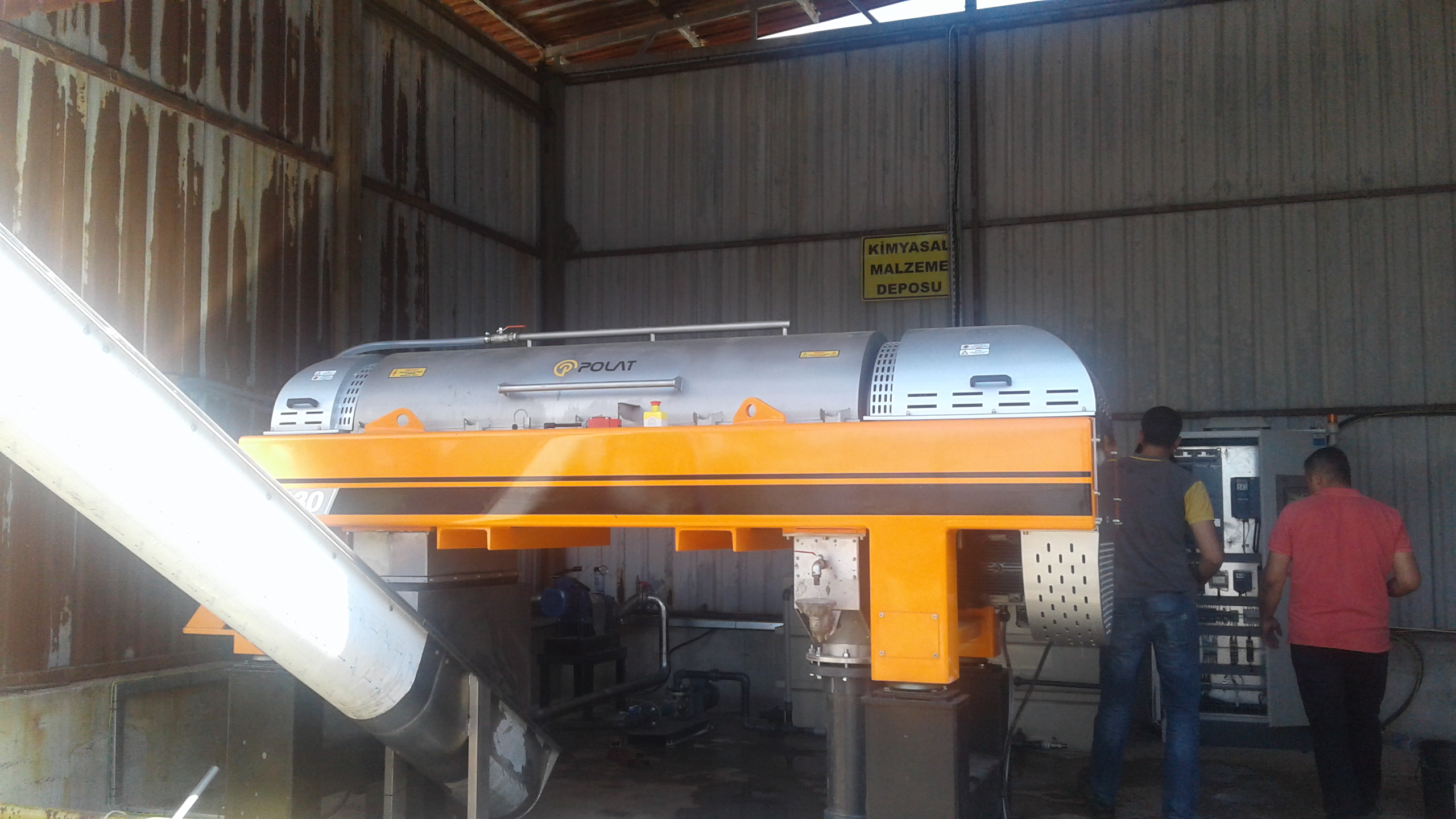
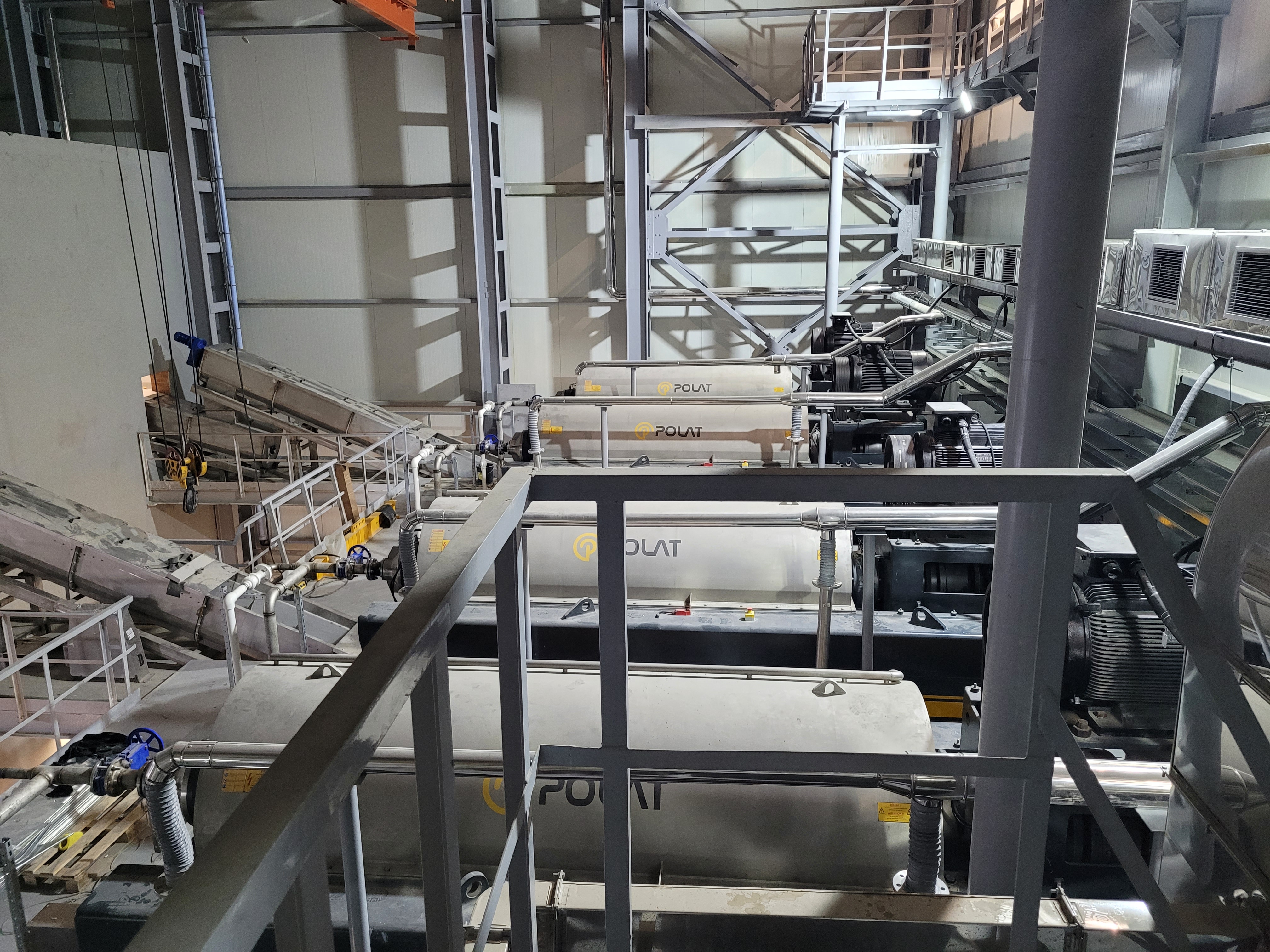
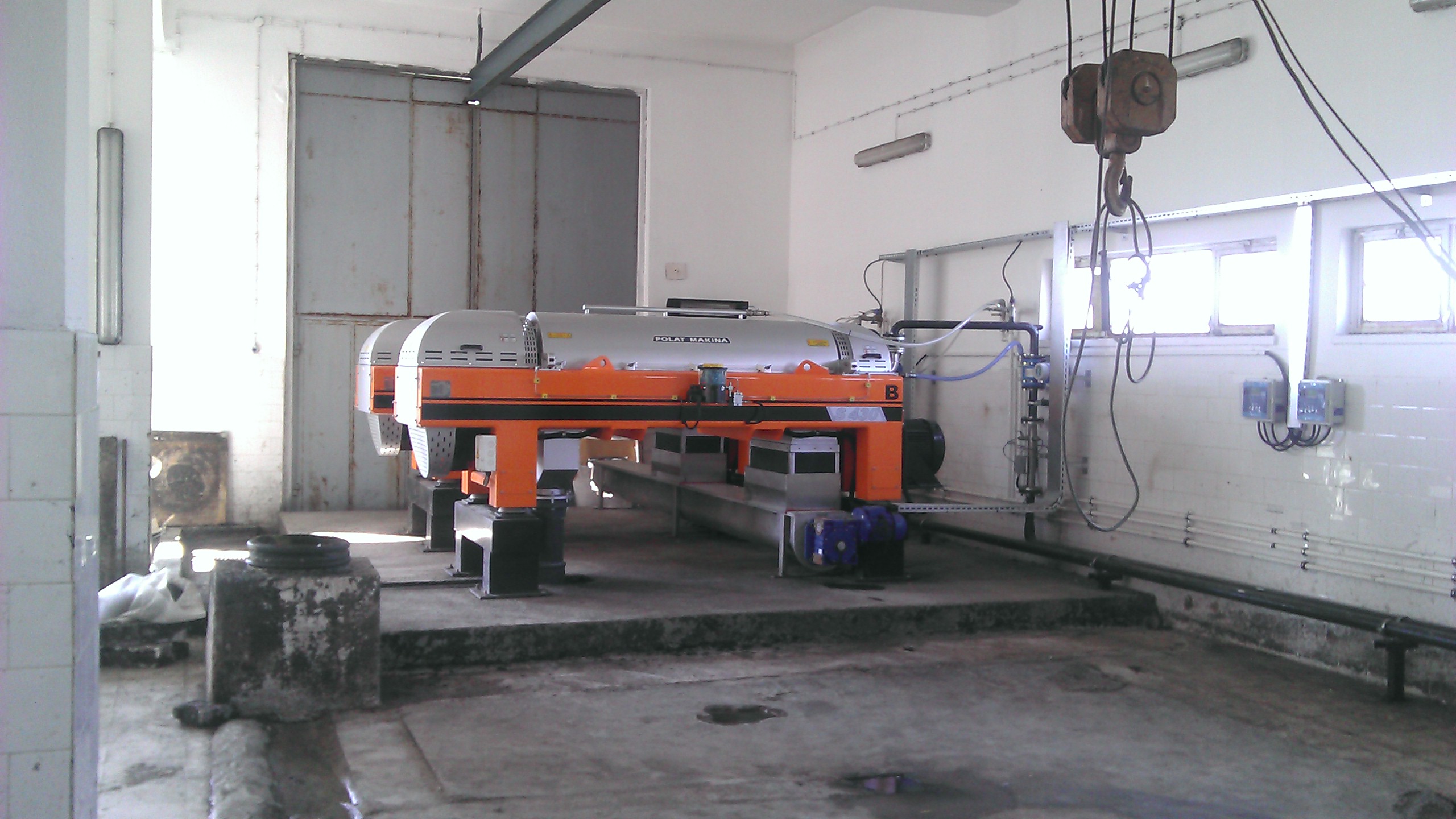
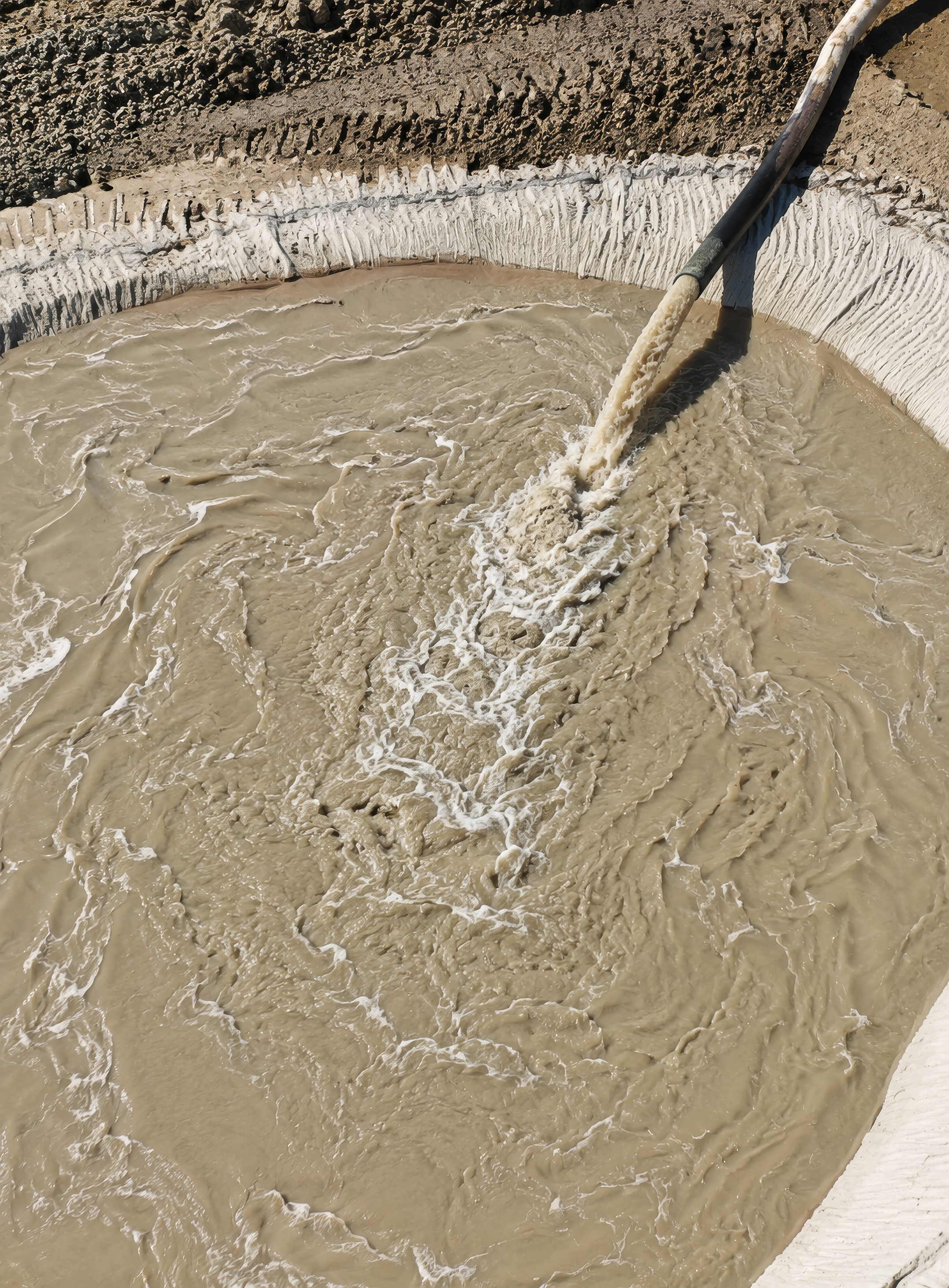
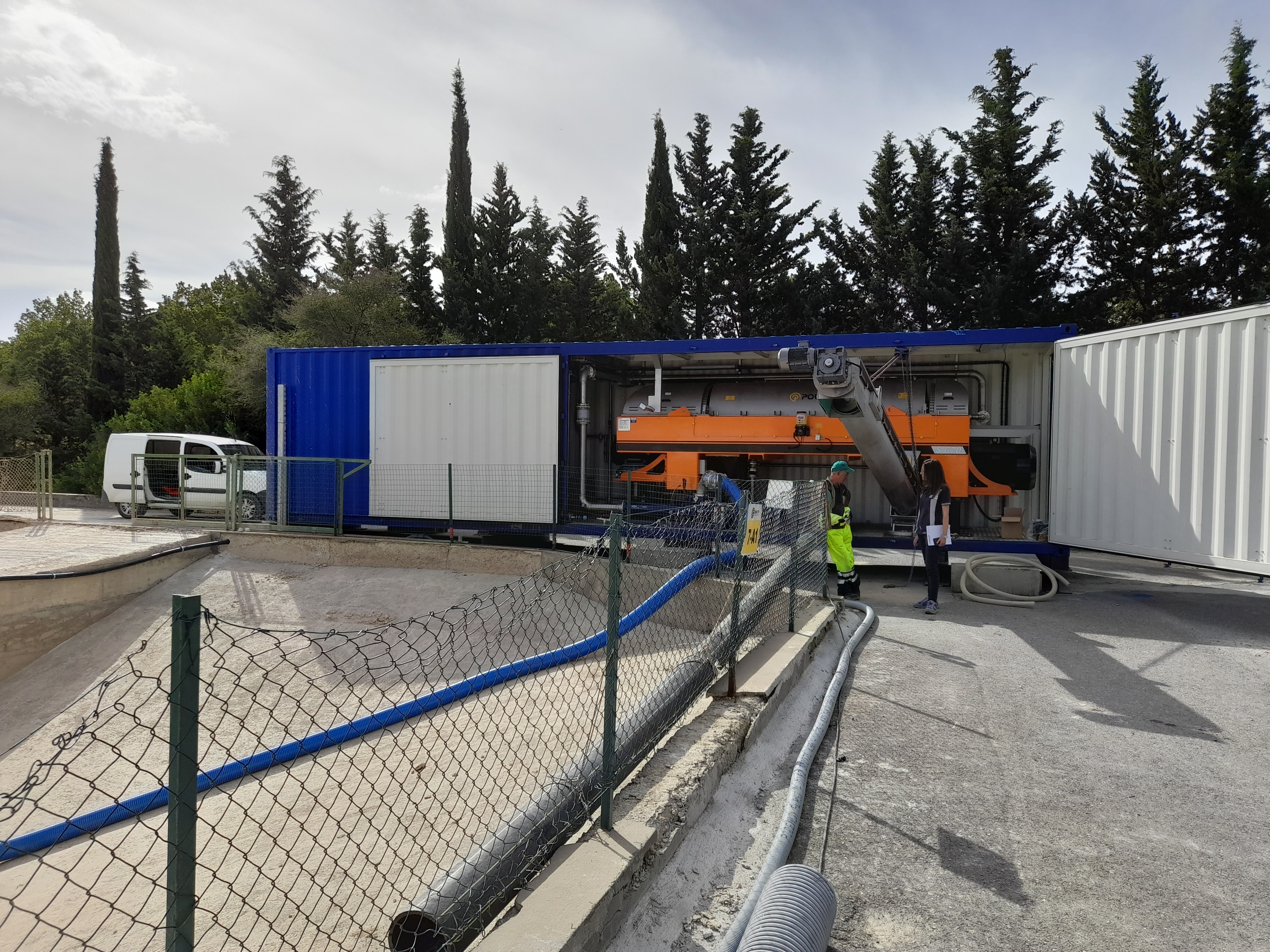
Polat Makina’s decanter centrifuge systems form the operational backbone of sludge management in anaerobic digestion processes, handling residual sludge with varying physicochemical properties. Due to their high water content and fine particles, post-digestion sludges exhibit complex flow characteristics. With their high G-force capacity and optimized bowl and scroll geometry, our decanters efficiently separate these heterogeneous mixtures down to micron-scale particles. In particular, the ability to adjust bowl speed and differential speed (the rotational speed of the scroll relative to the bowl) in real time via sensors helps maintain consistent cake dryness, even when the characteristics of the incoming waste stream change. This not only reduces the volume of sludge requiring disposal but also significantly lowers transportation costs, contributing directly to the economic sustainability of biogas facilities.

The processing of manure-derived waste in biogas plants is one of the most critical engineering decisions affecting operational efficiency. At Polat Makina, we offer two fundamental approaches tailored to each facility’s objectives and waste characteristics:
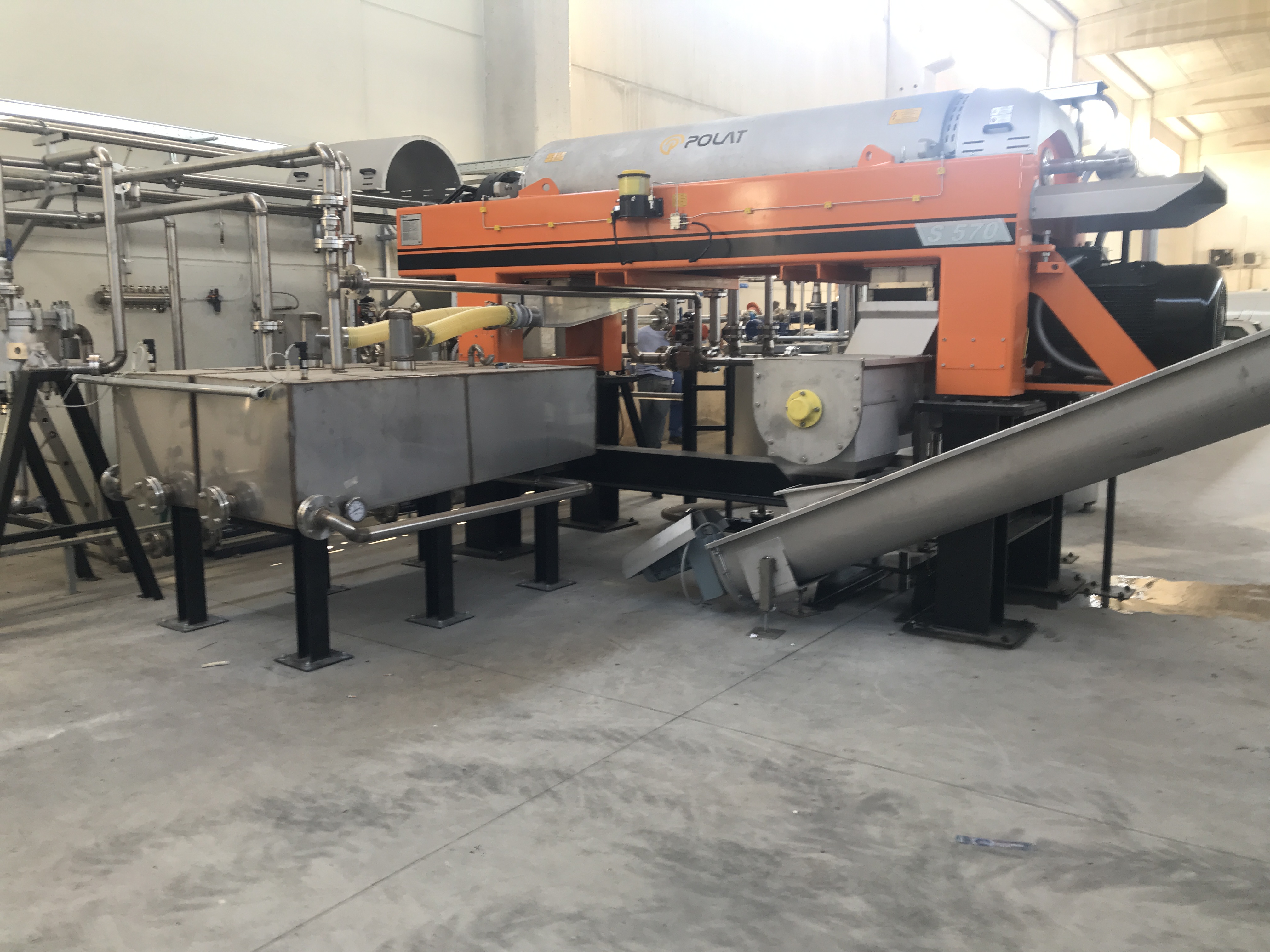
Direct (Chemical-Free) Mechanical Separation: This method is particularly suitable for cattle and poultry manure with a high fibrous content. The centrifuge separates the solid fraction from the liquid solely through centrifugal force, without the use of chemical additives. The recovered solid fraction can be directly utilized in agriculture as fertilizer or a soil conditioner. This approach simplifies the process and eliminates chemical consumption costs.
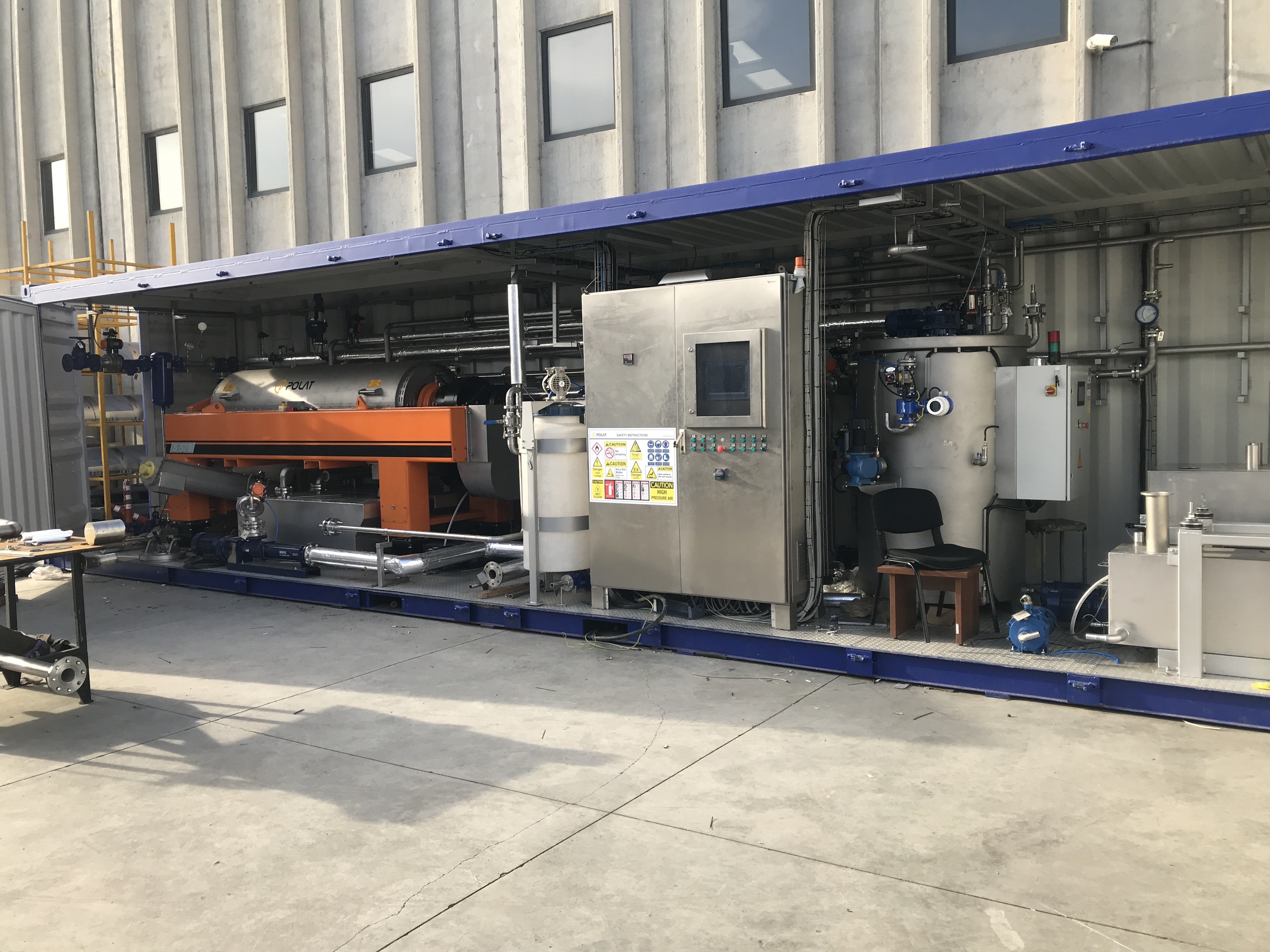
Polymer-Assisted (Chemical) Dewatering: When the waste contains a high proportion of colloidal (very fine) particles, our polymer dosing units promote flocculation, causing fine particles to aggregate into larger flocs. This approach produces a significantly clearer centrate (separated liquid phase). Returning the clarified centrate to the facility’s treatment unit reduces the overall pollutant load, including BOD and COD, thereby lowering treatment costs and enabling higher-quality water recirculation within the process.