POLAT TECHNIC
Contact Our Technical Service Team Now
Keep Your Operations Running Smoothly with 24/7 Service Support and Maintenance Solutions.



Natural Flavors and Extracts
Essential Oils
Plant Oil Extraction
Natural Colorants
Antioxidants and Bioactive Compounds
Decaffeination (Tea and Coffee Extraction)
Spice and Botanical Extracts
Hops Extraction
Oil Fractionation and Purification
Removal of Pesticides and Undesirable Compounds

Purification and Fractionation
Organic Compound Extraction
Polymer Processing Applications
Textile Dyeing and Processing Applications
Micro- and Nanoparticle Production
Aerogels and Porous Materials
Supercritical Drying
Precision Cleaning of Electronic Components
Hydrocarbon Purification

Active Ingredient Extraction
Bioactive Compound Purification
Production of Plant-Derived Active Ingredients
Pharmaceutical Raw Material Purification
Micronization and Particle Production
Encapsulation
Sterilization

Essential Oils
Botanical Extracts
Natural Active Ingredients
Fragrance and Aroma Compounds
Natural Pigments
Antioxidant Extracts
Cosmetic Oil Extraction
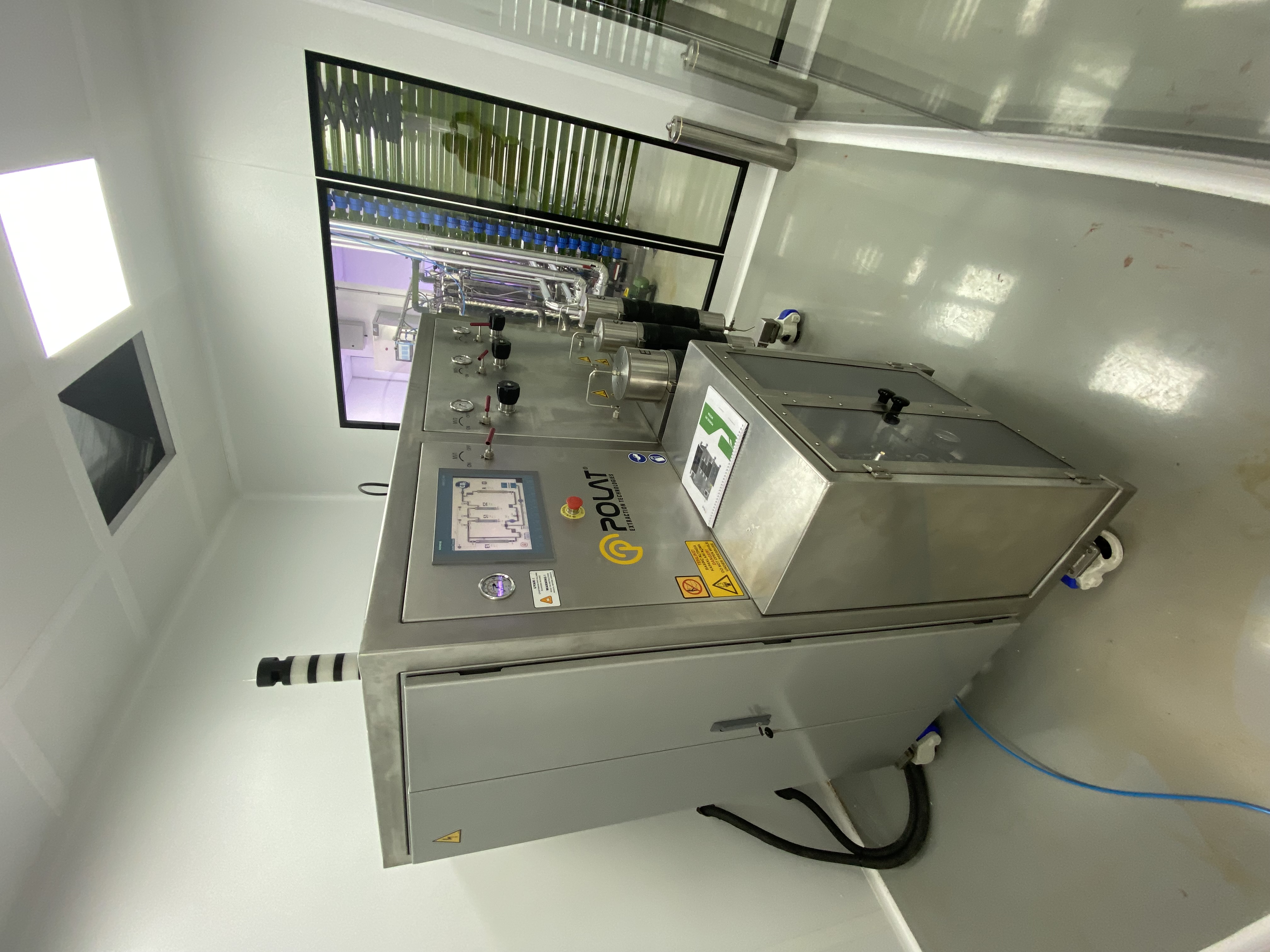
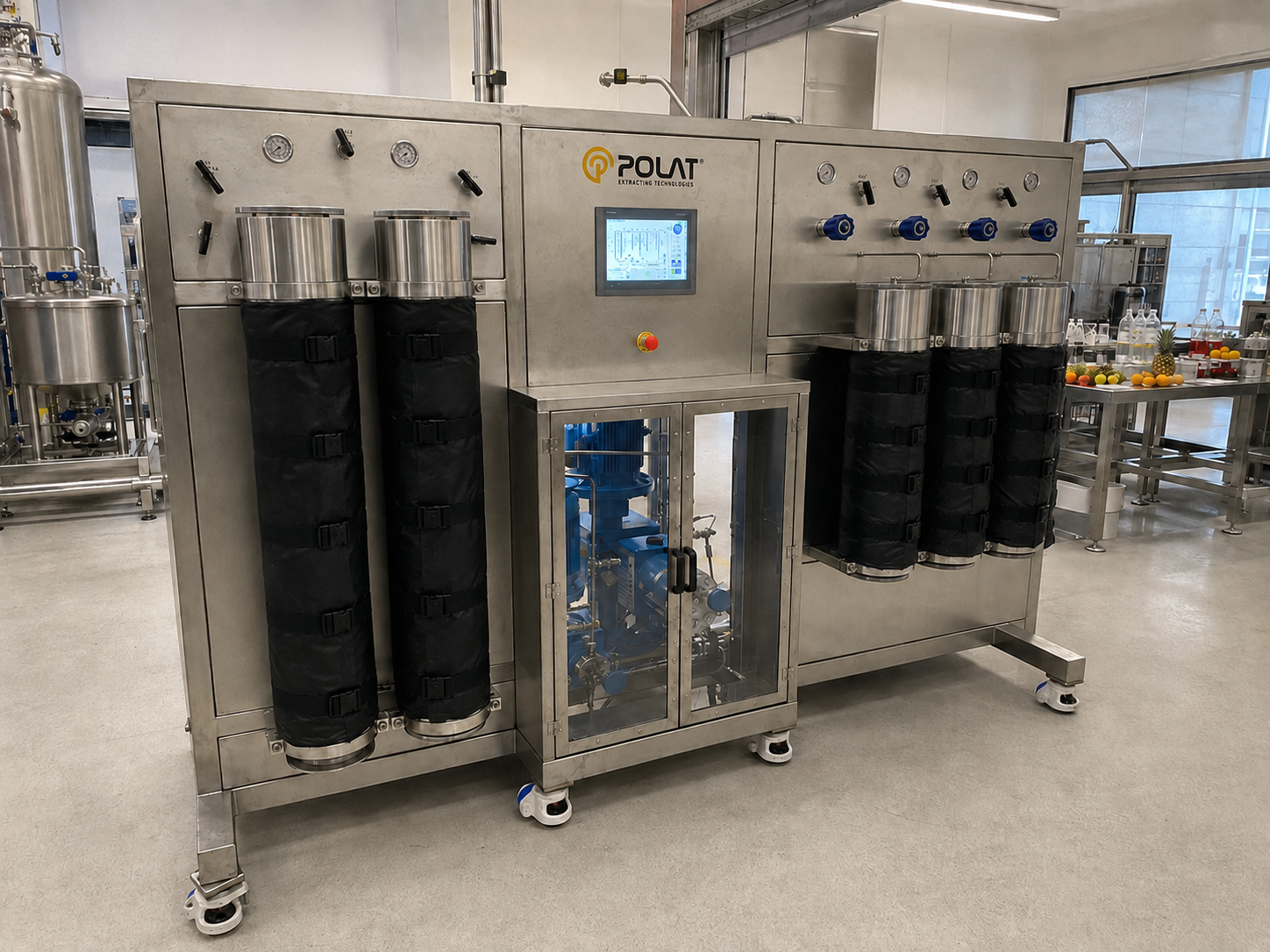
We offer a wide range of systems, from 0.5-liter laboratory-scale research and development units to industrial-scale extractors with capacities of up to 1,000 liters.
Our diaphragm and mechanical piston CO₂ pumps are designed for precise high-pressure and flow-rate control, delivering flow capacities of up to 5,000 kg/h.
We develop systems with operating pressures of up to 1,000 bar for the selective extraction and purification of heat-sensitive and high-value compounds.
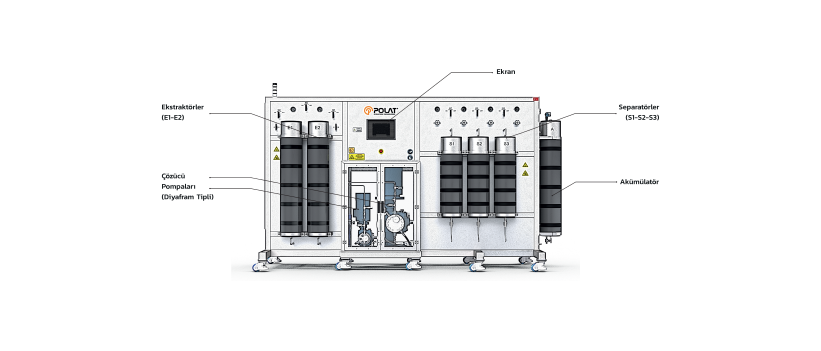
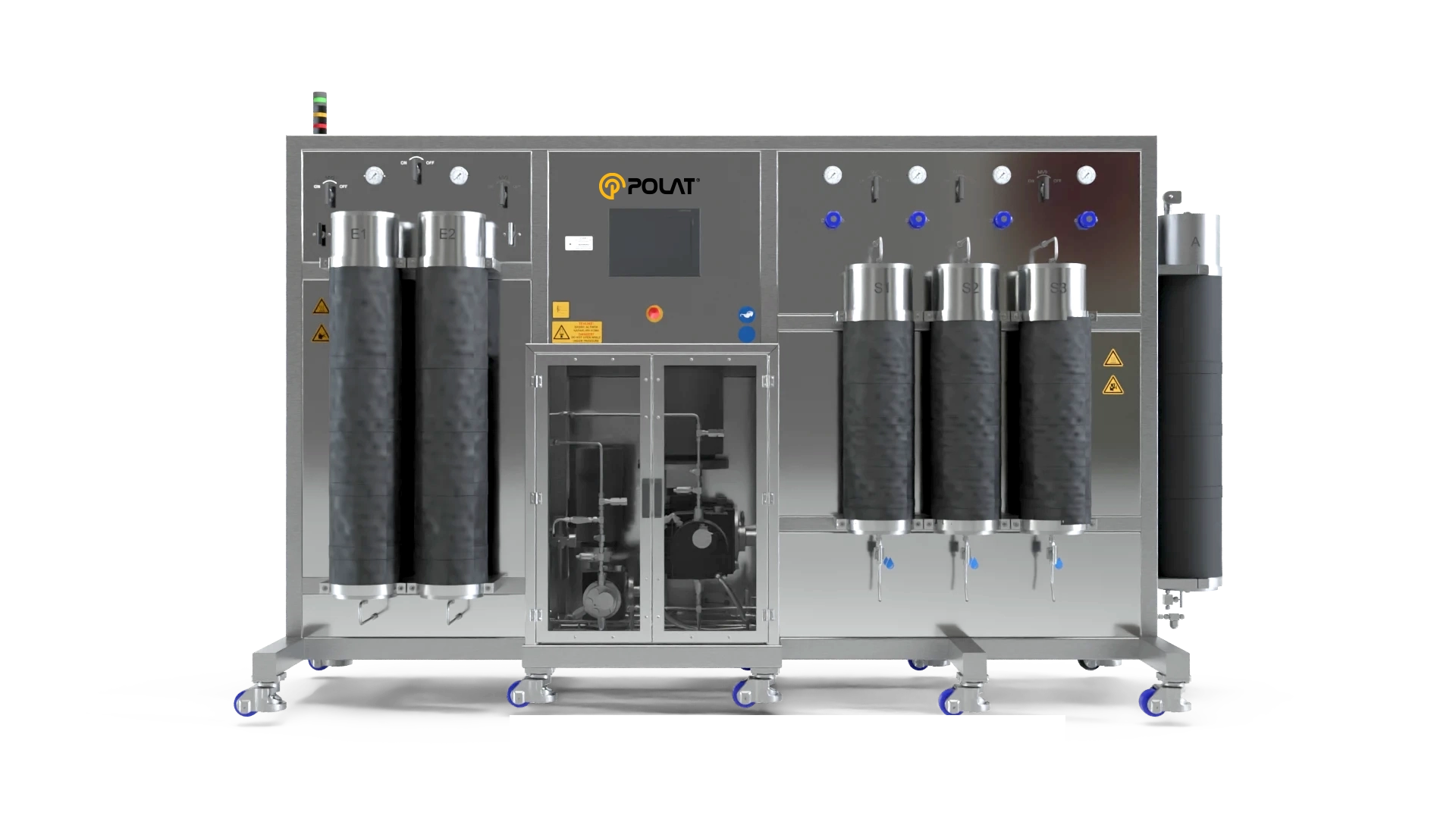
- Extraction Stage: The raw material to be processed is loaded into the extractor. Supercritical CO₂, brought to the appropriate pressure and temperature, penetrates the raw material, dissolves the target compounds, and carries them out of the extractor with the flow.
- Flow and Pressure Control: CO₂ is brought to the required process conditions using a high-pressure pump system and fed into the extractor at a controlled flow rate. Pressure, temperature, and CO₂ flow rate are precisely controlled to establish the optimal extraction conditions for the target compounds.
- Separation Stage: The CO₂ carrying the target compounds is transferred from the extractor to the separators. By carefully adjusting pressure and temperature, the solvent power of CO₂ is reduced, allowing the dissolved compounds to separate from the CO₂ and be collected as extract. When multiple separators are used, different compounds can also be separated and fractionated in stages.
- CO₂ Recovery: The CO₂ separated from the extract can be returned to suitable process conditions, recovered within a closed-loop system, and reused. Because CO₂ separates readily from the product when pressure is reduced, the risk of residual solvent in the product is significantly lower than with conventional organic solvents.
Environmentally Friendly Process: The use of supercritical CO₂ can significantly reduce the need for conventional organic solvents. Low solvent consumption and the ability to recover and reuse CO₂ support the development of more sustainable processes.
High Selectivity: The solvent power of CO₂ can be controlled by adjusting pressure and temperature. This enables the selective extraction of target compounds and the fractionation of different components.
Solvent-Free Extraction: CO₂ can be easily separated from the product by reducing the pressure at the end of the process. This reduces the risk of residues associated with organic solvents and can minimize the need for subsequent purification steps.
Low-Temperature Processing: With a critical temperature of approximately 31°C, CO₂ enables extraction at relatively low temperatures. This helps preserve flavors, volatile compounds, and other heat-sensitive bioactive substances.
CO₂ Recovery & Reuse: In closed-loop systems, most of the CO₂ can be recovered at the end of the process and reused. This helps reduce CO₂ consumption and operating costs.
Preservation of Product Quality: Low-temperature processing and limited exposure to oxygen help preserve the properties of oxidation-sensitive and heat-sensitive compounds.
PLC- and SCADA-Controlled Automation: Pressure, temperature, CO₂ flow rate, and other process parameters can be precisely monitored, controlled, and recorded through Programmable Logic Controller (PLC) and Supervisory Control and Data Acquisition (SCADA) systems. This facilitates process repeatability and optimization.