

Animal By-Products


Rendering Technologies: A Strategic Driver of the Circular Economy
In the modern agri-industrial ecosystem, rendering is far more than a simple waste management operation. It is a comprehensive circular economy model in which animal biomass is recovered and valorized through advanced processing technologies. Biological materials obtained from slaughterhouses that are not suitable for human consumption, including hides and skins, bones, blood, internal organs, and fats, are converted into strategic industrial raw materials through controlled physical and thermal processes at rendering plants. Beyond waste disposal, these processes separate protein and fat fractions, transforming them into high-value products for a broad range of applications, from animal feed to the energy sector.
Protein meals, including bone meal, feather meal, and blood meal, provide valuable amino acid sources for aquaculture and pet food applications. Animal fats, meanwhile, play a critical role as feedstocks for oleochemical production in the chemical industry and as renewable inputs for biodiesel manufacturing.
These operations not only reduce the burden on landfills but also help eliminate pathogens through high-temperature and pressure-based sterilization, safeguarding public health and environmental biosecurity. By minimizing the carbon footprint and optimizing the use of natural resources, rendering technologies help establish a more sustainable and resource-efficient value chain.

Precision Separation Technologies: The Role of Decanters and Separators
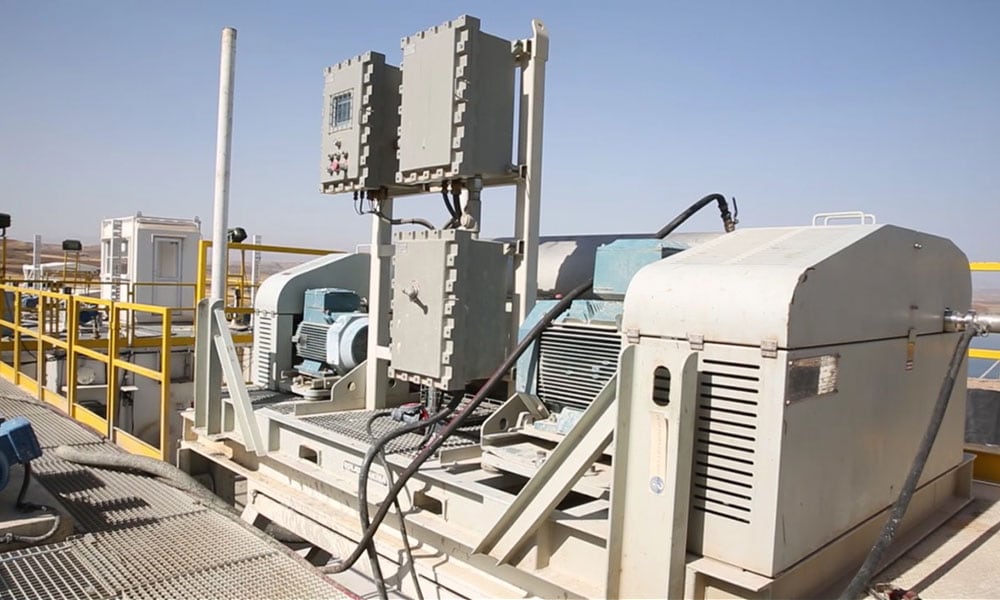
The market value and shelf life of products obtained from rendering plants are directly linked to the quality of phase separation. Separating animal tissue into solid (protein), liquid (water), and fat phases is an engineering operation that requires a high degree of precision. At this stage, Polat Makina’s decanter centrifuges apply high G-forces to maximize solids dewatering, helping extend the shelf life of protein products and reduce energy costs. The separators used in the subsequent stage remove microscopic solid particles and sediment from the fat fraction, optimizing its clarity and purity.
These advanced technologies enable automated process control, minimizing human error and ensuring consistent, high-quality output from every batch. Particularly in industries with stringent refining requirements, such as biodiesel production, the efficiency of decanter and separator systems is one of the most critical factors determining overall plant profitability.
Ultimately, this technological infrastructure transforms waste-derived raw materials into industrial inputs that meet international quality standards, supporting the efficiency and sustainability goals of modern industry.