POLAT TECHNIC
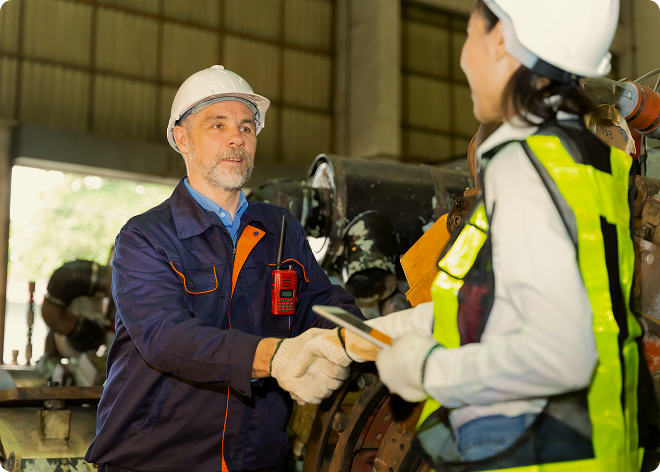
Contact Our Technical Service Team Now!
Keep your operations running smoothly with 24/7 technical support and maintenance solutions.

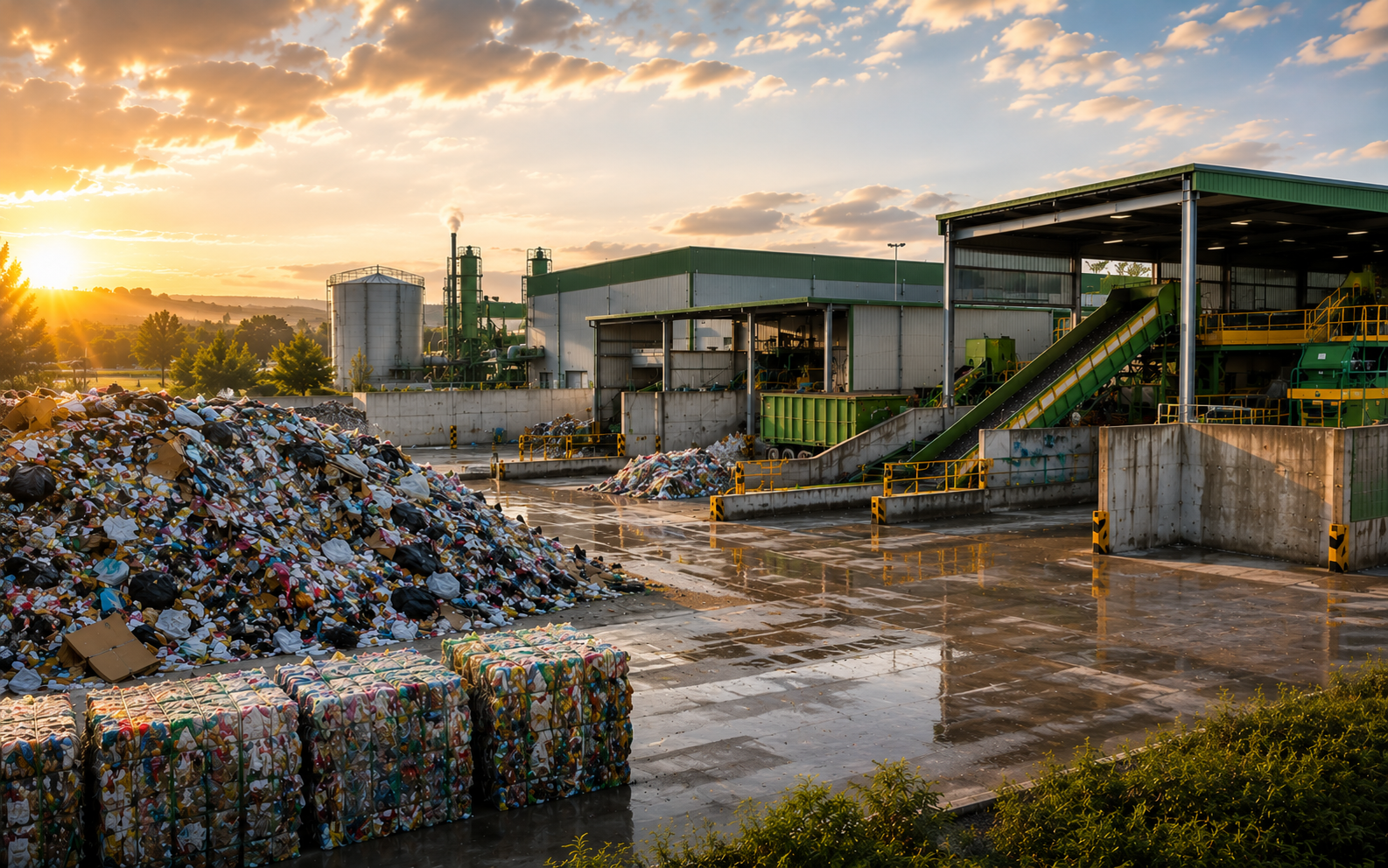
Solid waste management involves the integrated planning of every stage, from waste generation to final disposal, in a way that protects the environment and human health. In the modern world, this process is guided by the principle of “turning waste into a resource” rather than simply “burying waste.”

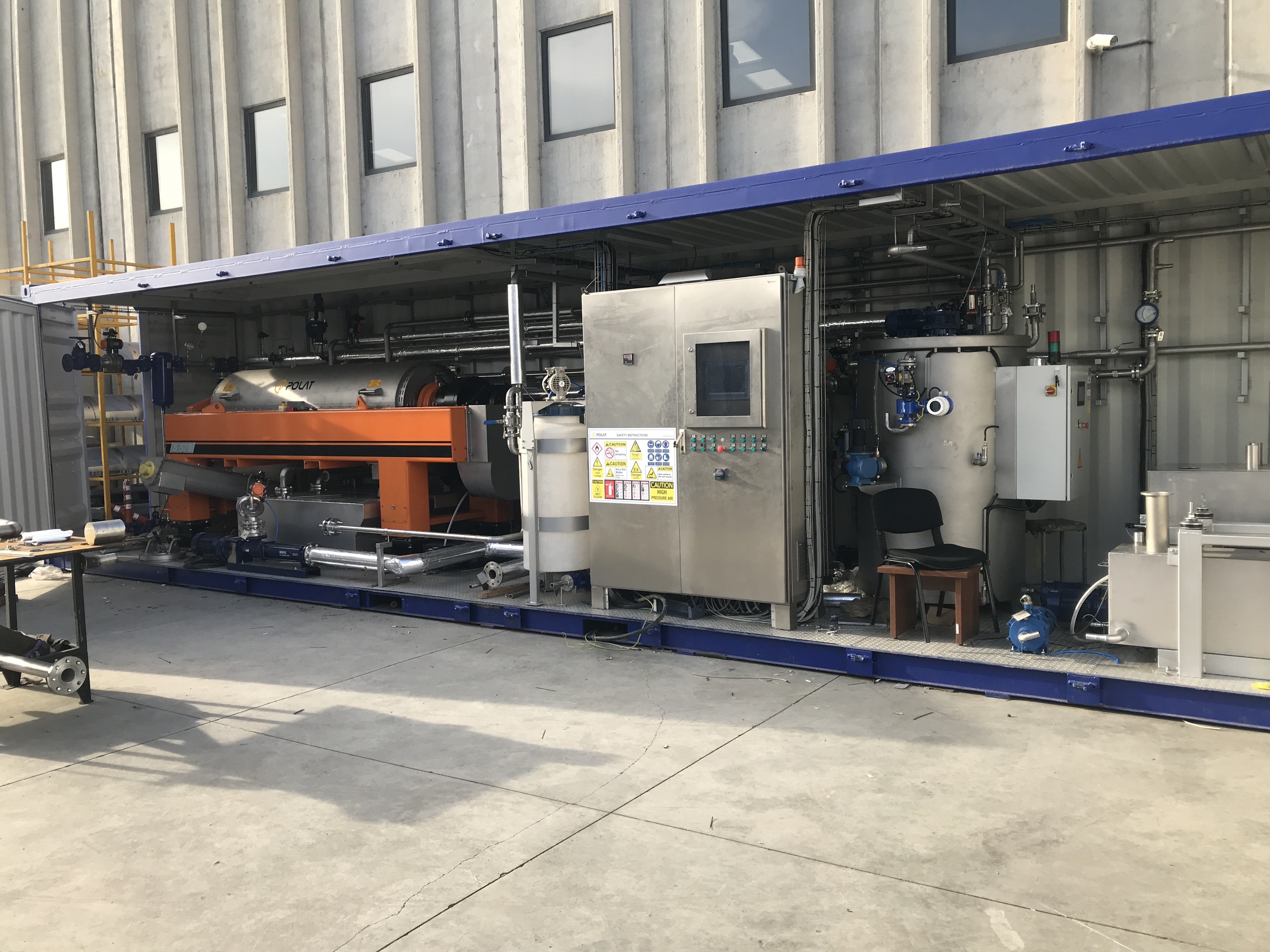
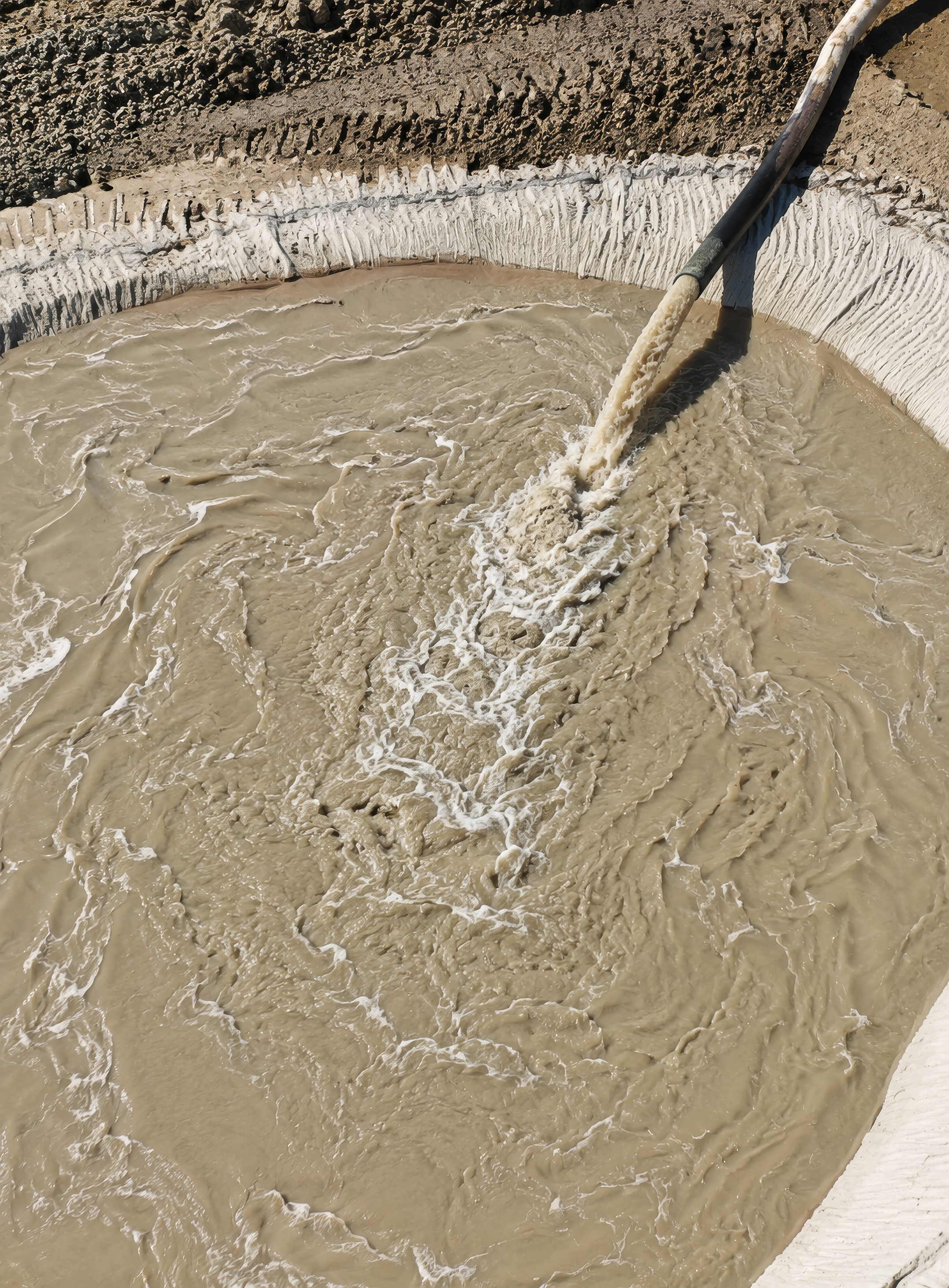
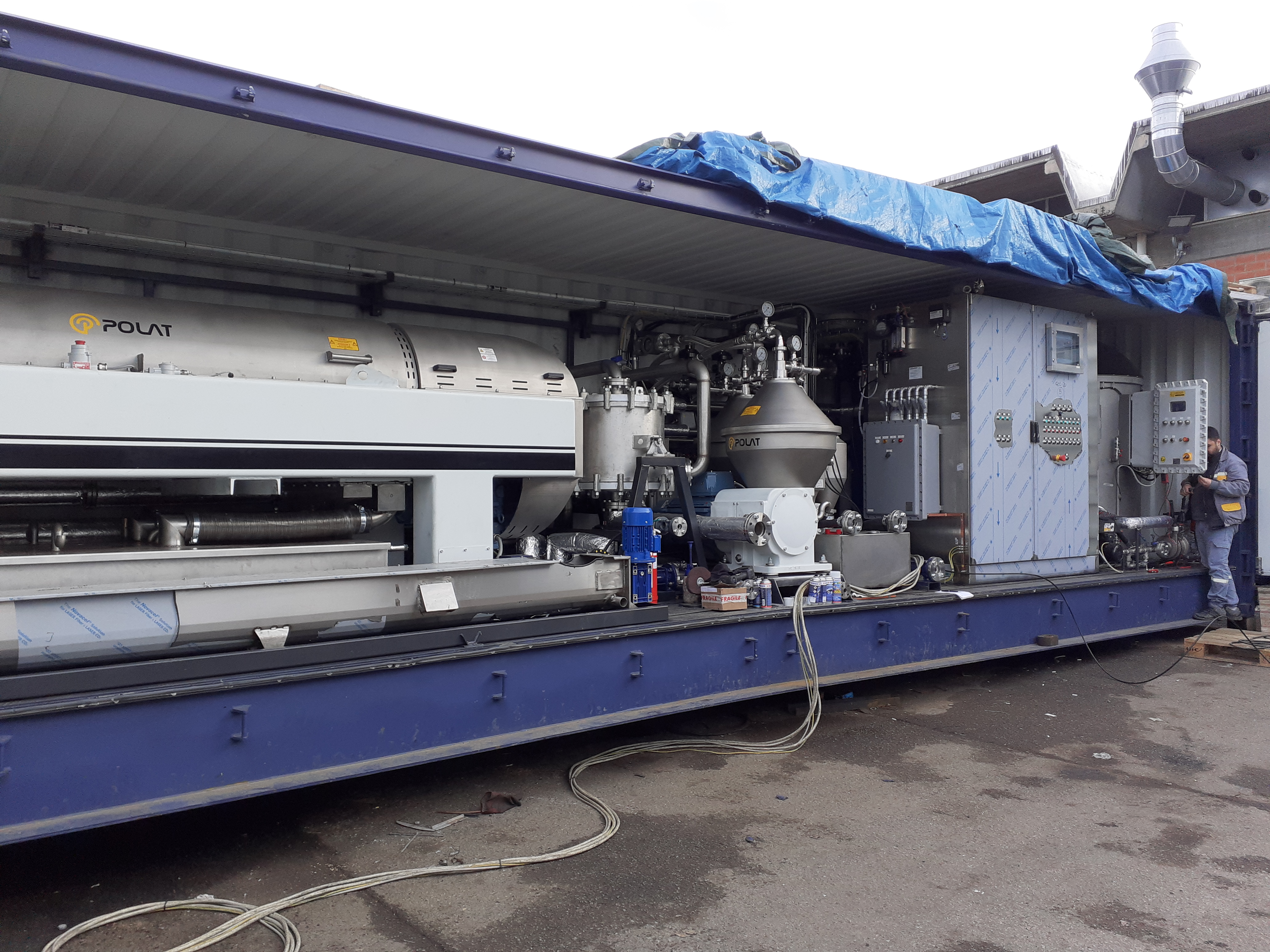
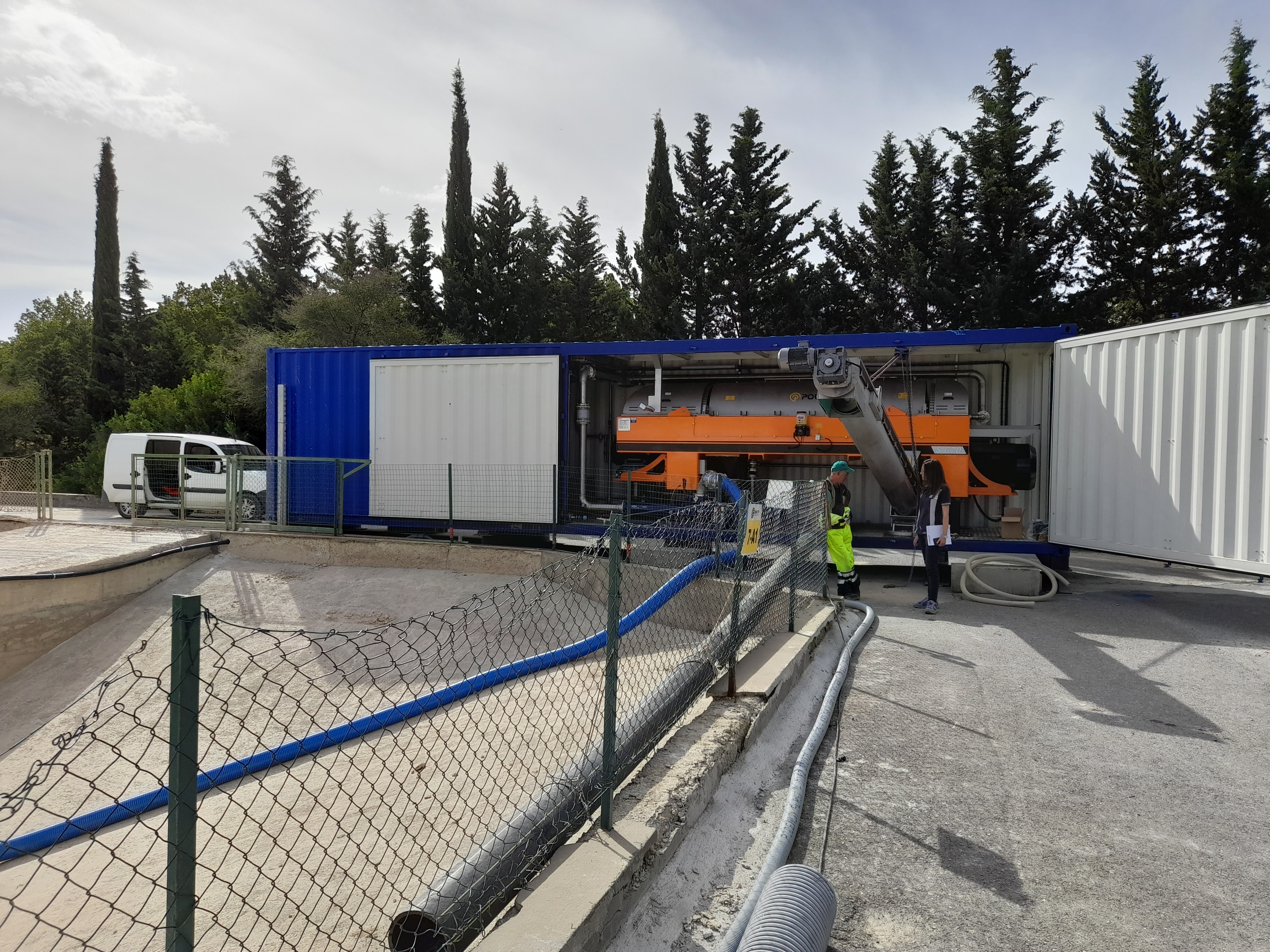
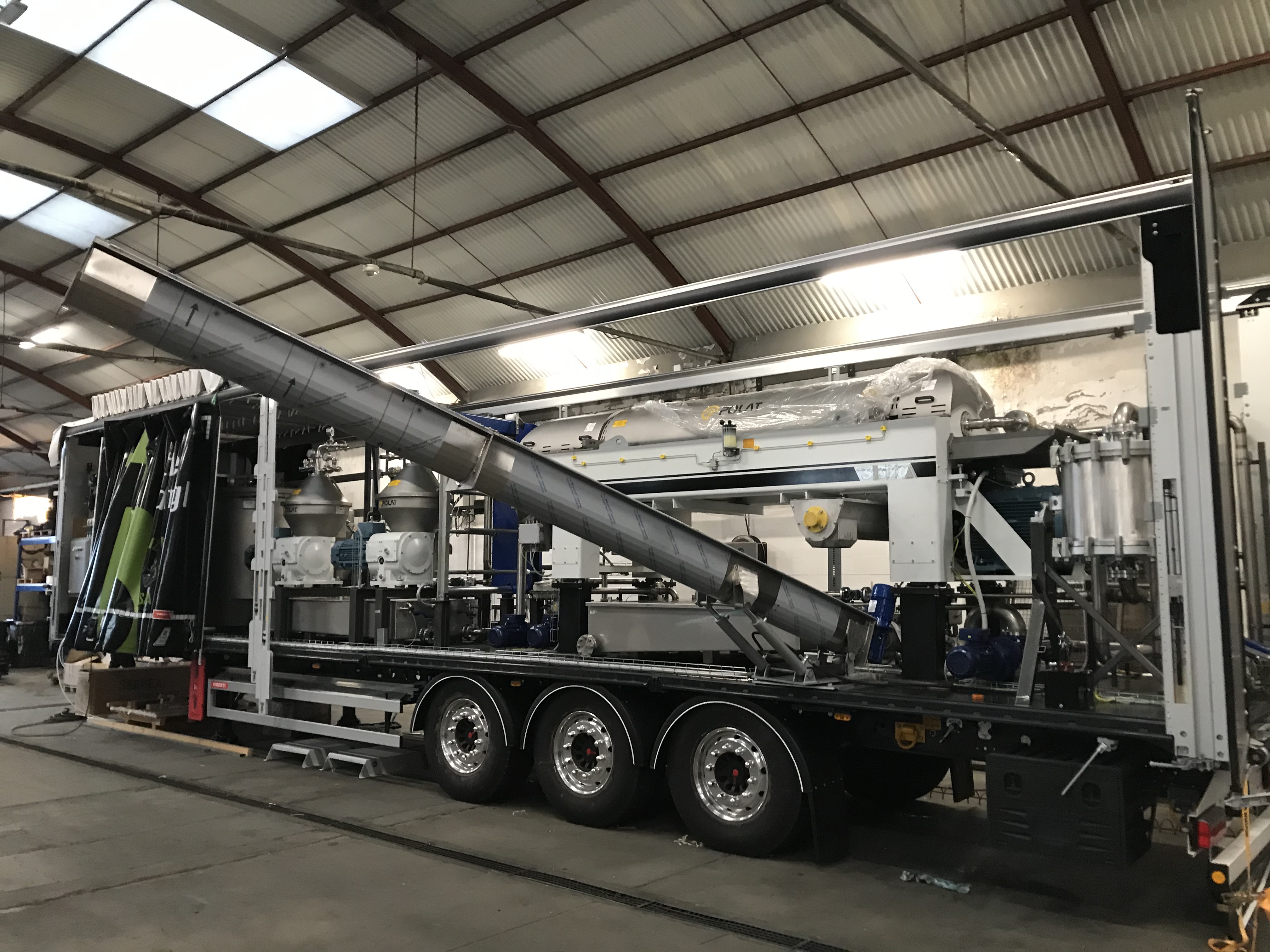
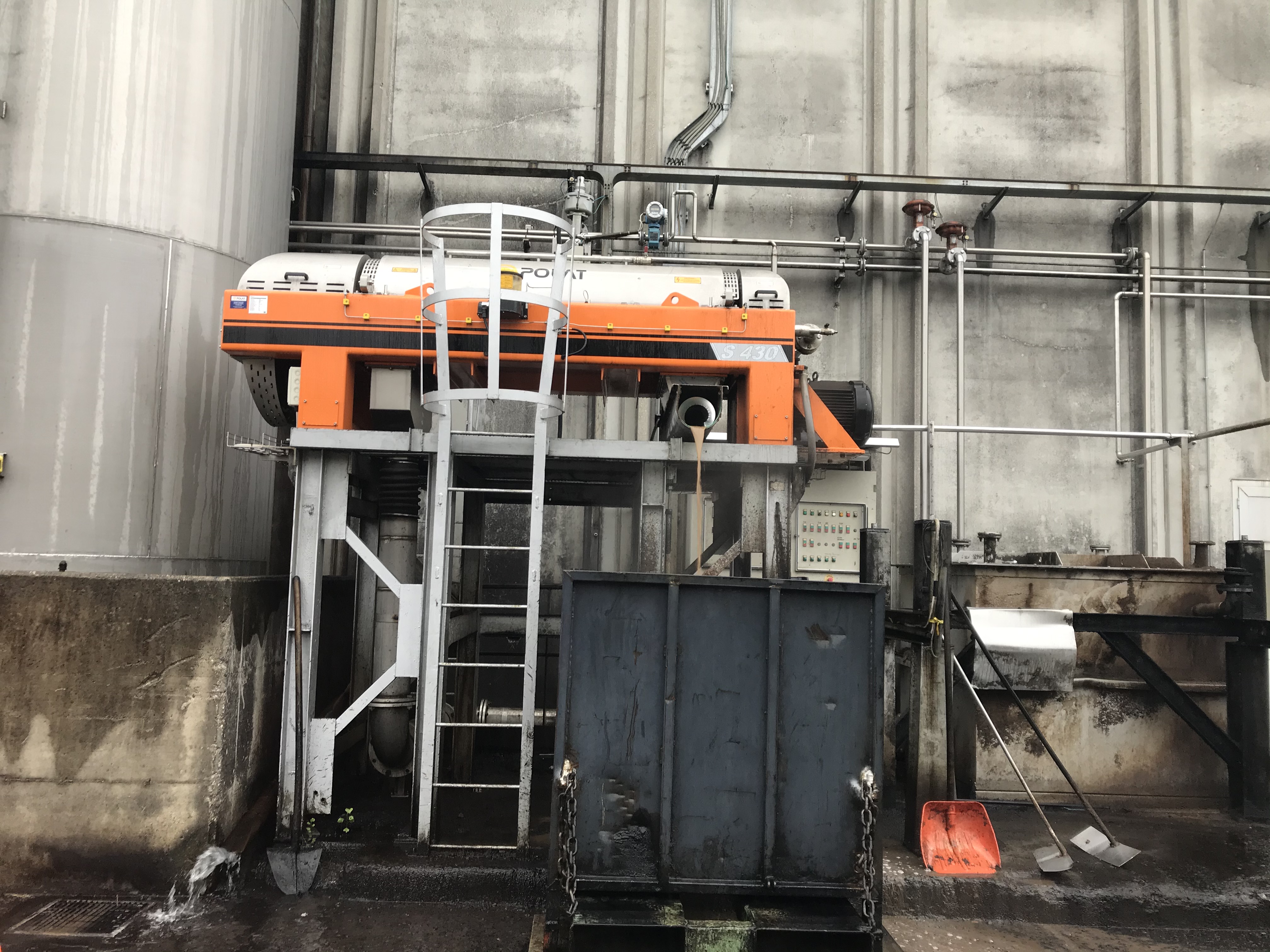
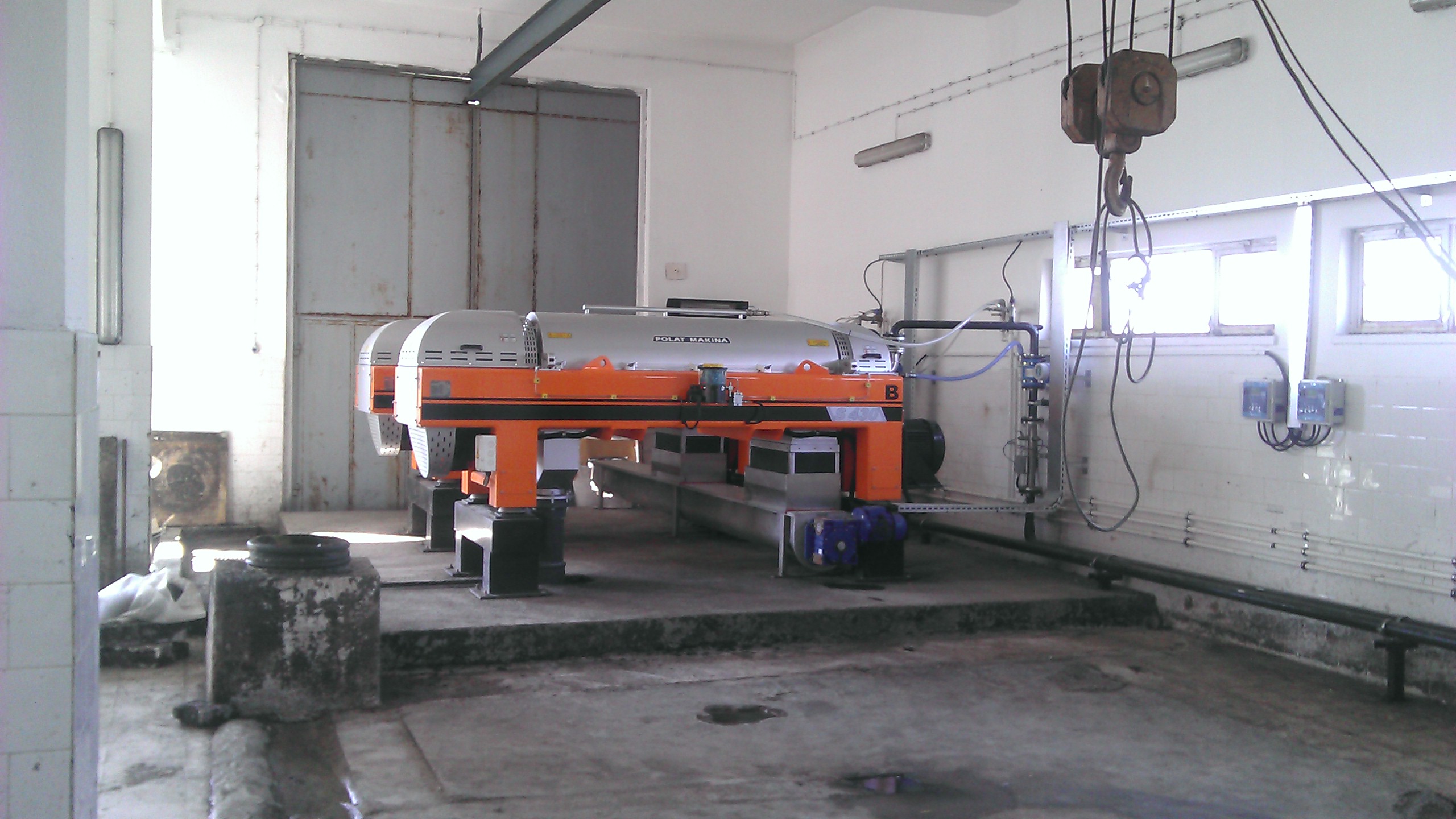
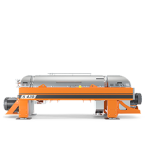
For a sustainable future, the waste management hierarchy establishes a strategic order of priorities to minimize environmental impact, beginning with prevention and ending with disposal as a last resort. While preventing or reducing waste at its source is the primary objective, converting waste generated by industrial processes into reusable raw materials is also a critical step. Polat Makina’s decanter centrifuge technology is a key engineering solution that helps move waste beyond the burden of disposal at the bottom of the hierarchy and toward higher-value recovery options. By separating liquid and solid phases through high centrifugal force, these systems transform difficult-to-manage waste streams into a stable dewatered cake, significantly reducing disposal costs.

Polat Makina decanters act as a bridge to resource recovery by integrating linear waste management processes into the circular economy. Water recovered through separation can be treated and reused within the system, while organic matter with a high solids concentration can serve as feedstock for biogas plants, enabling energy recovery. Through this technological integration, waste is transformed from an environmental burden into an economic asset. By maximizing raw material efficiency, decanter centrifuges serve as an indispensable strategic tool for industrial facilities, supporting operational excellence and helping achieve environmental sustainability goals.