

A Tradition Passed Down Through Centuries: Wheat
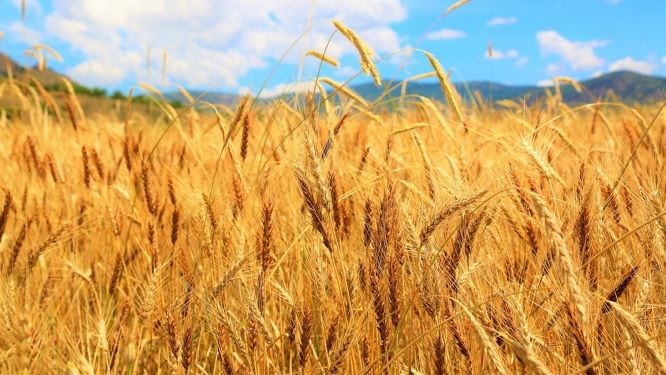
Known as a symbol of abundance for centuries, wheat is one of the primary sources of nourishment worldwide. Especially in Anatolian lands, wheat is not merely a crop, but an integral part of our culture and a cornerstone of our heritage. Known as the "granary," these lands today play host to 23 wild wheat species and over 400 cultivated wheat varieties. In fact, Upper Mesopotamia (Southeastern Anatolia), also known as the "Fertile Crescent," has gone down in civilizational history as the region where wheat was first domesticated and spread across the globe.
The use of starch, the most critical component of wheat—which holds vital importance in the history of civilization—dates back to the pre-dynastic period of the Egyptians. During this era, starch derived from wheat was initially utilized as an adhesive to bind papyrus sheets. The scientific documentation of the starch production process was later achieved by Marcus Porcius Cato (Cato the Elder), a Roman statesman who lived between 234 and 149 BC.
In the Middle Ages, wheat starch production became a major industry in the Netherlands, and Dutch starch was considered to be of superior quality for a long period. The first form of starch modification applied during this era emerged as a result of hydrolyzing starch with vinegar.
The 19th century witnessed immense growth in the starch industry, driven largely by demand from the textile, color printing, and paper industries, alongside the discovery that starch could be easily converted into a gum-like product known as dextrin. Beyond its use in sweetener and ethanol production, starch is also used as laundry starch because it provides greater stiffness to linens at lower temperatures. As is widely known, starch is also preferred in bakery products as its production requires no chemicals.
WHAT MAKES AN IDEAL STARCH?
Undoubtedly, every producer expects maximum efficiency alongside minimum cost. However, these two factors alone are not sufficient for ideal starch production. All key criteria can be listed as follows:
High gluten quality combined with high gluten yield
High starch quality combined with high starch yield
Low energy consumption
Low water consumption
Economical and effective wastewater treatment
Longer operating time with reduced service requirements
Polat Makina Continues to Deliver Tailored Solutions for Industrial Needs
With its 2- and 3-phase decanters, Polat Makina has been delivering solutions to the starch industry for years, standing as your primary partner in achieving desired efficiency and performance. Working closely with its customers, Polat Makina thoroughly analyzes their challenges and expectations, ensuring they achieve success regardless of their goals.